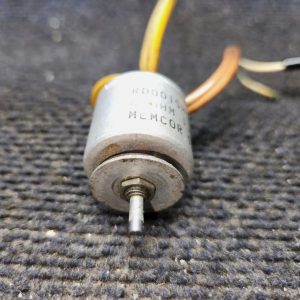
The Cessna 172F Rheostat (No Knob)
Accurate use of Cessna 172F Rheostat, Cessna 172F Lighting Rheostat, and Cessna 172F Panel Light Rheostat terminology improves search relevance without overstating fitment.
The Cessna 172F Cockpit Dimmer, Cessna 172F Instrument Light Control, Cessna Instrument Panel Rheostat, and Cessna Cockpit Lighting Control phrases represent closely related electrical searches.
Accurate component terminology supports relevant SEO while preserving technical clarity and responsible installation planning.
Clear package descriptions help buyers determine whether the no-knob rheostat requires additional hardware before installation.
Why the Exact Rheostat Part Number Matters
A component should not be accepted as RD0015H1600JBC solely because it resembles the original panel-light control.
The intended panel position and controlled lighting circuit should be established before installation.
Completing the Panel Lighting Control
A visually similar knob may not fit securely or may interfere with surrounding panel labels and controls.
A restoration project may prioritize an original-style knob, while an active aircraft installation must also consider secure operation and accurate control identification.
Instrument Lighting Control Operation
The exact circuit design should be confirmed through aircraft wiring information rather than assumed from the component name alone.
Replacing the click here rheostat without diagnosing the full circuit may leave the original fault unresolved.
Aircraft Serial and Wiring Applicability
Compatibility should be established through the exact aircraft model, serial range, part number, circuit design, voltage, electrical load, terminal arrangement, and mounting dimensions.
Previous aircraft modifications should be reviewed before reconnecting the replacement component.
Aircraft Lighting Control Inspection
The housing should remain secure and free from separation, impact damage, burned areas, or signs of overheating.
The body should not rotate after installation because movement can strain wiring and alter control positioning.
Cessna Electrical Terminal Condition
Electrical terminals should be inspected for corrosion, looseness, bending, damaged insulation, burned surfaces, broken hardware, and previous solder or crimp repairs.
Professional wiring practices support dependable Aircraft Instrument Lighting Control.
Aircraft Electrical Bench-Test Considerations
Test equipment, methods, conditions, and results should be documented clearly.
Bench testing should use controlled power, suitable current limitation, correct polarity where relevant, and a circuit appropriate to the component’s verified ratings.
Diagnosing Flickering Instrument Lights
These symptoms may result from internal rheostat wear, damaged terminals, loose wiring, failed grounds, defective lamps, overloaded circuits, or circuit-protection problems.
System-level diagnosis supports a dependable Cessna 172F Panel Light Rheostat repair.
Preserving Cockpit Appearance and Function
Historical appearance should not take priority over electrical compatibility, condition, or safe installation practices.
The missing knob may be sourced separately, reproduced appropriately, or reused from the removed control when its fit and condition remain suitable.
Managing Electrical Parts Inventory
Organized inventory management supports a more efficient Cessna 172F electrical project.
Donor-aircraft history may provide context but does not establish present serviceability.
Evaluating Electrical Component Repair Value
The technician should consider reliability, testing, documentation, electrical ratings, and future maintainability.
Unauthorized parts substitution or rewinding can change resistance and power-handling capability.
Commercial Value of P/N RD0015H1600JBC
Accurate listings strengthen buyer confidence and reduce disputes.
Transparent commercial information supports responsible Cessna Aircraft Rheostat transactions.
Aircraft Lighting Rheostat Pre-Purchase Guide
A detailed review reduces unsuitable purchases and unexpected electrical work.
- Request detailed photographs of every marking, terminal, mounting thread, shaft surface, housing area, attached wire, repair, and included component.
- Arrange qualified evaluation whenever specifications, electrical condition, repair quality, or installation suitability remain uncertain.
- Report shipping damage, missing hardware, identification differences, undisclosed repairs, or electrical-condition discrepancies promptly.
Preventing Electrical Component Damage
The shaft should not carry the weight of the component during shipment or storage.
During storage, the rheostat should remain clean, dry, labeled, and protected from moisture, chemicals, static-sensitive equipment, heavy objects, and uncontrolled handling.
Professional Panel Light Control Installation
Installation should be completed by appropriately qualified aviation maintenance personnel using applicable aircraft electrical information and suitable procedures.
Correct installation supports dependable Cessna Panel Lighting Control.
The aircraft should not return to service until the installation has been evaluated and documented appropriately.
Preventive Cessna Electrical Maintenance
Long-term maintenance includes checking control movement, knob security, mounting tightness, terminals, wiring, heat discoloration, corrosion, lighting response, and panel condition.
The panel area should remain free from spilled liquids, conductive debris, harsh cleaners, loose hardware, and unsupported wiring.
Choosing the Cessna 172F Rheostat (No Knob)
The Cessna 172F Rheostat (No Knob)
The strongest purchasing decision begins with confirming the complete part number, manufacturer, aircraft applicability, circuit function, resistance range, voltage, power rating, terminal arrangement, shaft dimensions, knob requirements, test status, and documentation.
Whether the product is described as an Aircraft Panel Light Dimmer, Aviation Lighting Control Rheostat, Cessna 172F Dimmer Switch, or Aircraft Instrument Lighting Control, electrical condition remains essential.
With verified identity, suitable electrical condition, compatible specifications, professional wiring, organized documentation, and routine inspection, the rheostat can provide dependable long-term value.